

When my first child was born, I knew I wanted to take a more minimalist approach to our home, especially when it came to toys. I knew I didn’t want a lot of plastic flashing toys, and I didn’t have a name for it at the time, but looking back, it was the beginning of what I would later understand as a toy detox. Not extreme, not empty, but intentional. I didn’t want to feel buried under things, and I didn’t want my children growing up in an environment that constantly pulled their attention in every direction.
Early on, a friend gave me a book on Montessori, and something about it stayed with me. The idea of simple, open-ended toys. Fewer distractions, and more space for a child to actually engage with what was in front of them.
At first, it was just a thought in the background. Then real life set in.
We were gifted toys, like most families are. Bright plastic toys, musical toys, toys that lit up, talked, and reacted. They were fun in the beginning. I tried not to think much of it.
Over time, as I started paying closer attention to what we were bringing into our home, something shifted. I noticed how I felt in those spaces. Slightly on edge. A constant low-level stimulation that never fully turned off.
And once I saw it in myself, I started to see it in my daughter too.
When the Environment Feels Like Too Much
It wasn’t one big moment, but small patterns. Moving quickly from toy to toy without settling. Short bursts of attention followed by frustration. A kind of restlessness that didn’t seem to resolve itself.
The toys themselves weren’t the problem. They were designed to engage. But they were doing most of the engaging. Lights, sounds, constant feedback. There wasn’t much room left for her to bring something of herself into the play.
At the same time, I could feel the impact on me. The noise, the colors, and the visual clutter. All of it added up in a way that made it harder to feel calm in my own home.
I knew we needed a change.
The Nervous System Piece
Children experience the world through their senses before anything else. Light, sound, color, movement. All of it is being processed constantly, even when we aren’t thinking about it.
When there is a steady stream of stimulation, the nervous system does not always register it as neutral. It can begin to feel like pressure. Not always obvious, not always dramatic, but present.
For a young child, that can look like shorter attention spans, more dysregulation, or difficulty settling into play. And for a mother, it can feel like never quite being able to exhale inside her own home.
When the environment softens, everything else often softens with it.
Navigating Gifts and Family Dynamics
This was one of the harder parts.
Grandparents and family members love to give gifts. And many of those gifts are the exact kinds of toys I had started to question. Bright, plastic, noisy, attention-grabbing.
I had to figure out how to navigate that without creating tension.
Sometimes it meant gently sharing what we were trying to do in our home. Other times it meant checking gifts before handing them over, or quietly removing certain toys after a short time.
There is no perfect way to handle this. Every family has its own dynamic. What worked for me was staying clear on why I was making these choices, while also giving people space to show love in their own way.
It is not always a clean process.
What I Started to Change
I didn’t do a full reset overnight, I started small.
I paid attention to which toys seemed to create the most stimulation and the least engagement. Those were the first to go. Some were donated, some were stored away, and some I rotated out just to see what would happen.
Then I slowly added in toys that felt different.
Toys that didn’t perform, but instead inspired.
What I Replaced Them With
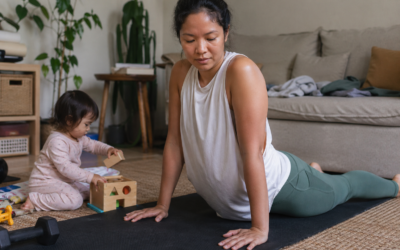
I didn’t aim for perfection or a perfectly styled playroom. I focused on bringing in things that allowed my children to take the lead.
- Wooden blocks and simple stacking toys
- Animal figurines and small world play items
- Play silks and scarves for open-ended movement and pretend play
- Baskets of loose parts like wooden rings, balls, and shapes
- Simple puzzles without lights or sounds
- Art supplies like crayons, paper, and clay
- Books with calm, engaging visuals
These toys didn’t demand attention. They held space for it.
What I Noticed After the Shift
The changes were not immediate, but they were real.
My daughter began to stay with things longer. She created her own games. There was more imagination, more problem-solving, more depth to her play.
Her mood felt more steady. Transitions were easier. There was less of a spike-and-crash pattern that I had seen before.
And for me, the difference was just as noticeable. The house felt calmer. Quieter in a way that wasn’t empty, just less demanding. I didn’t feel like I was constantly managing the environment.
It began to support us instead.
If you’re thinking about your home environment more broadly, I wrote about the small, realistic shifts we made beyond toys in my post, Low-Tox Living for Families: Simple Swaps for a Healthier Home, where I walk through the changes that felt manageable and actually made a difference in our day-to-day life.
This Isn’t About Getting It Perfect
We still have plastic toys, and we still have a few things that make noise. This isn’t about eliminating everything or creating a rigid system.
It’s about paying attention.
Noticing what actually supports your child, and noticing what supports you. Being willing to adjust the environment in small ways that make daily life feel more grounded.
A toy detox is not really about the toys. It’s about the tone of the home, the pace of the day, and the space a child has to develop their own way of engaging with the world.
Frequently Asked Questions
Are plastic toys bad for toddlers?
Plastic toys are not inherently harmful. Many are designed with safety in mind. The concern is more about how certain toys are designed to capture attention through lights and sound, which can reduce opportunities for imagination and sustained play.
What are open-ended toys?
Open-ended toys are toys that can be used in multiple ways without a fixed outcome. They support creativity, problem-solving, and longer engagement because the child is actively shaping the play.
Will my child be bored without electronic toys?
Boredom can happen at first, especially if a child is used to high stimulation. Over time, many children begin to engage more deeply with simpler toys and develop more independent play.
Do I need to get rid of all flashy toys?
No. A full elimination is not necessary. Many families find that reducing the number of highly stimulating toys creates a noticeable difference without needing to remove everything.
How do I handle gifts from family members?
This can take some trial and error. Some parents choose to communicate their preferences directly, while others rotate or quietly remove certain toys. What matters most is finding a balance that feels respectful and sustainable for your family.
Sources + Research
- https://publications.aap.org/pediatrics/article/143/1/e20183348/37363/Selecting-Appropriate-Toys-for-Young-Children
- https://www.zerotothree.org/resource/choosing-toys-for-toddlers/
- https://www.naeyc.org/resources/position-statements/dap/contents
- https://developingchild.harvard.edu/science/key-concepts/serve-and-return/
- https://www.amazon.com/Gardener-Carpenter-Parenting-Children-Develop/dp/0374229709



0 Comments