
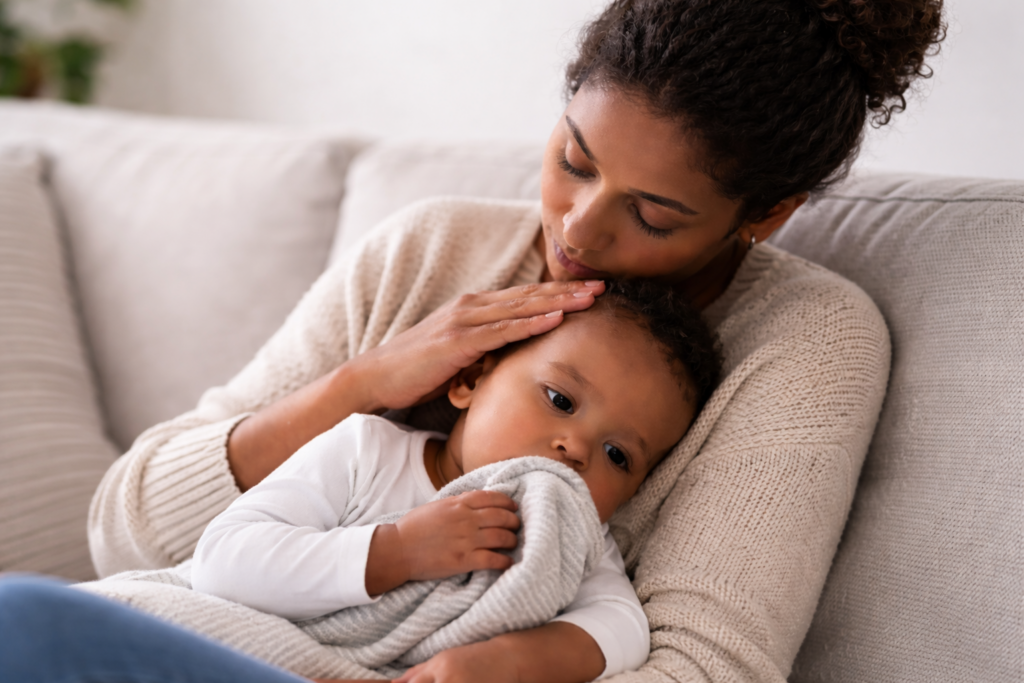
If you’re searching for signs of dehydration in babies and toddlers, it’s often because your child is sick and eating or drinking less than usual. Illnesses like colds, stomach viruses, fever, vomiting, and diarrhea can reduce appetite and increase fluid loss at the same time. When this happens, hydration becomes more important than food intake. Over time I’ve learned that knowing the early signs of dehydration in babies and toddlers can help parents stay calm and focus on what actually matters: keeping fluids steady and recognizing when medical care may be needed.
One of the most reassuring things pediatricians often explain is that temporary drops in appetite are normal during illness. The body naturally redirects energy toward the immune system. Because babies and toddlers have smaller fluid reserves than adults, however, they can become dehydrated more quickly if fluids are not replaced.
Understanding what dehydration actually looks like makes it much easier to manage illness at home and recognize when to call a doctor.
Why Babies and Toddlers Dehydrate More Quickly
Babies and young children lose fluids faster than adults for several reasons.
First, their bodies contain a higher percentage of water. This means even small fluid losses can affect them more quickly.
Second, babies and toddlers have smaller total fluid reserves. A short illness that causes vomiting, diarrhea, or fever can reduce fluid levels faster than many parents expect.
Third, illness often reduces appetite and thirst. Congestion, fatigue, and nausea can all make children less interested in drinking.
For these reasons, when my babies are sick I shift my focus away from full meals and toward steady fluids. Even small sips or fluid-rich foods can help maintain hydration.
Early Signs of Dehydration in Babies
For babies under one year old, diaper output is one of the most useful ways to monitor hydration.
Early signs of dehydration in babies can include:
- fewer wet diapers than usual
- urine that appears darker yellow
- dry lips or mouth
- fussiness or irritability
- increased sleepiness
- reduced interest in feeding
Most healthy babies produce several wet diapers throughout the day. When illness reduces fluid intake, diaper output may decrease first before other symptoms appear.
Signs of Dehydration in Toddlers
Toddlers may show slightly different symptoms than infants. They may also resist drinking when they feel sick, which can make hydration more challenging.
Common signs of dehydration in toddlers include:
- reduced urination
- dark yellow urine
- dry mouth or lips
- fatigue or low energy
- irritability
- sunken-looking eyes
- headaches or dizziness in older toddlers
During sick days, I try to pay attention to overall behavior. A tired toddler who still drinks fluids and urinates regularly is usually doing fine. The concern increases when fluids stay low and urination decreases.
How I Focus on Hydration During Illness
When my babies or toddlers are sick, my priority becomes fluids rather than calories. Appetite often returns once the illness passes.
Some fluids that tend to work well include:
- breastmilk or formula for infants
- water for older babies and toddlers
- diluted fruit puree
- yogurt
- soups or broths
- popsicles for toddlers who refuse cups
If a baby or toddler has diarrhea or vomiting, I also keep in mind that while fruit can be hydrating, it can sometimes increase symptoms. In those situations I usually focus more on simple fluids like water, breastmilk, yogurt, or broth until the stomach settles.
Warm fluids can sometimes be especially comforting when children have colds or congestion. I often return to the simple foods I describe in my article What to Feed a Baby With a Cold (By Age + Appetite Level). Gentle foods and fluids are often accepted more easily during illness.
Another option I rely on is homemade chicken meat stock, which is warm, lightly salted, and easy to sip. I explain why I prefer meat stock instead of bone broth for young children in my article Chicken Meat Stock for Sick Babies (Why I Don’t Use Bone Broth).
For toddlers who are sick during winter illness season, I also share more simple food ideas in What to Feed Toddlers During Sick Season (Yes, Dairy Is OK).
When to Call the Doctor
Most mild dehydration improves once children begin drinking fluids again. However, there are situations when it is appropriate to contact a pediatrician.
Parents should consider calling their doctor if:
- a baby has significantly fewer wet diapers than usual
- vomiting continues for more than a day
- diarrhea is frequent and persistent
- the child refuses all fluids
- fever is present along with low fluid intake
- the child seems unusually lethargic
Doctors can help determine whether dehydration is mild and manageable at home or whether medical care may be needed.
When Dehydration Can Become an Emergency
Severe dehydration in babies and toddlers is uncommon but requires immediate medical attention.
Emergency signs may include:
- no urination for many hours
- no tears when crying
- very dry mouth
- extreme lethargy or difficulty waking
- rapid breathing
- cool or mottled skin
- a sunken soft spot on an infant’s head
If these symptoms appear, medical evaluation should happen right away.
Frequently Asked Questions
How many wet diapers should a baby have when sick?
Even during illness, most babies should still produce several wet diapers per day. A noticeable drop in wet diapers may indicate reduced hydration. Pediatricians often recommend contacting a doctor if a baby goes many hours without urinating.
What are the earliest signs of dehydration in babies?
The earliest signs often include fewer wet diapers, darker urine, dry lips, and fussiness. These symptoms can appear before more serious dehydration develops.
Can toddlers get dehydrated from a cold?
Yes. Although dehydration is more commonly associated with vomiting or diarrhea, toddlers can also drink less when they have a cold due to congestion, fatigue, or reduced appetite. Encouraging small, frequent fluids can help maintain hydration.
What is the fastest way to hydrate a sick toddler?
Small, frequent fluids usually work better than large drinks. Water, yogurt, fruit puree, soups, and broth-based foods can all help maintain hydration. Sometimes offering fluids in a different cup, straw, or popsicle can make drinking easier.
Should I worry if my child isn’t eating during illness?
Short-term drops in appetite are very common during illness. Most pediatric guidance emphasizes fluids over food during this time. Appetite usually returns once the child begins recovering.
Sources + Research
- https://www.healthychildren.org/English/health-issues/conditions/flu/Pages/caring-for-Your-childs-cold-or-flu.aspx
- CDC.gov. https://www.cdc.gov/nutrition/infantandtoddlernutrition/index.html
- https://www.stanfordchildrens.org/
- https://www.nhs.uk/conditions/dehydration/



0 Comments